leak detection company plano Download Now essential guide for Plano residents
Plano Texas faces a silent crisis beneath its streets aging pipelines and escalating demand for water and energy resources combine to create a ticking time bomb where leaks waste millions of gallons annually while threatening public safety and environmental stability. With regulatory pressures tightening and climate extremes intensifying risks the need for precision leak detection has never been more urgent yet many residents and businesses remain unaware of the advanced solutions now available locally.
The consequences of undetected leaks extend far beyond inconvenience in Plano where water scarcity ranks as a critical concern according to the North Texas Municipal Water District leaks account for nearly 15 percent of total water loss citywide a figure that translates to over 3 billion gallons wasted yearly. Meanwhile industrial zones like the Legacy Business District grapple with gas line vulnerabilities and underground chemical storage risks that demand rapid response protocols. This guide explores how cutting-edge technologies and strategic partnerships with specialized leak detection companies in Plano can transform challenges into opportunities for cost savings sustainability and safety.

Understanding Leak Detection Needs in Plano, Texas
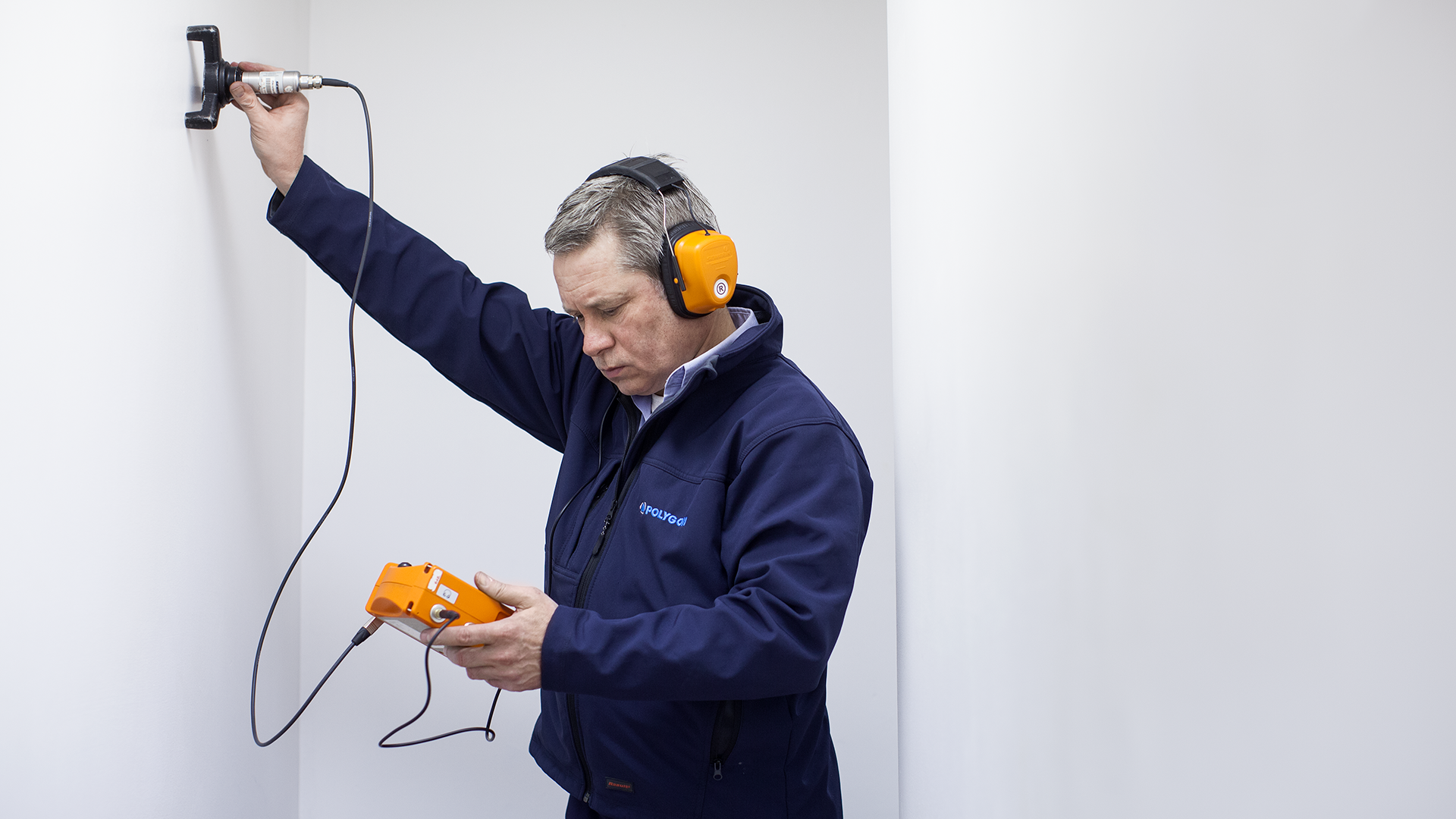
Plano, Texas, a thriving suburban city in the Dallas-Fort Worth metroplex, faces unique challenges in managing infrastructure due to its rapid population growth, aging utility networks, and vulnerability to environmental stressors. With a population exceeding 390,000 residents (as of 2023) and an economy driven by technology, healthcare, and logistics, the demand for reliable leak detection services has surged. Geographical and environmental factors—such as limited groundwater resources, extreme weather events, and dense industrial zones—exacerbate the risks of undetected leaks, leading to financial losses, environmental degradation, and public safety hazards. This section explores the critical factors influencing leak detection in Plano, including statistical insights, regulatory frameworks, and real-world case studies that highlight the urgency of proactive leak management.
Geographical and Environmental Factors Influencing Leak Risks in Plano

Plano’s location in North Texas exposes it to a combination of natural and man-made risks that heighten the need for advanced leak detection. The city’s arid climate, characterized by prolonged droughts and high evaporation rates, strains water resources, making leaks particularly costly. According to the Texas Water Development Board (TWDB), North Texas faces a water supply shortfall of 700,000 acre-feet by 2070, with Plano relying heavily on surface water from lakes Travis and Lewisville, as well as groundwater aquifers. Aging infrastructure further compounds the issue: 40% of Plano’s water distribution pipes are over 50 years old, increasing the likelihood of breaks and slow leaks.
Beyond water, Plano’s industrial sectors—including manufacturing, data centers, and aerospace facilities—introduce risks of hazardous fluid leaks, such as chemical spills, natural gas escapes, and sewer overflows. The city’s proximity to highway corridors (e.g., I-35E, US-75) and residential expansions also elevates the potential for accidental damage to underground utilities during construction. Climate-related events, such as flash floods and heatwaves, accelerate pipe degradation and mask leaks by altering soil moisture levels, making detection more difficult. These factors collectively underscore the necessity for real-time monitoring and predictive maintenance in Plano’s infrastructure.
Statistical Breakdown of Common Leaks in Plano and Their Impacts
Leaks in Plano span across water, gas, sewer, and industrial systems, each presenting distinct economic and environmental consequences. Below is a data-driven overview of the most prevalent leaks, sourced from City of Plano reports, Texas Commission on Environmental Quality (TCEQ), and American Water Works Association (AWWA) studies:
Table of Contents
- Understanding Leak Detection Needs in Plano, Texas
- Geographical and Environmental Factors Influencing Leak Risks in Plano
- Statistical Breakdown of Common Leaks in Plano and Their Impacts
- Regulatory Requirements for Leak Detection in Plano and Texas
- Comparison Table: Leak Types, Detection Methods, and Urgency Levels
- Cutting-Edge Technologies Used by Top Leak Detection Companies in Plano
- Acoustic Leak Detection for Water and Gas Pipelines
- Step-by-Step Electromagnetic Leak Detection for Metal Pipelines
- Ground-Penetrating Radar (GPR) for Subsurface Leak Detection in Urban Plano
- Comparative Analysis: Traditional vs. Advanced Leak Detection Methods
- How to Choose the Right Leak Detection Company in Plano: A Step-by-Step Guide
- Evaluating Certifications and Compliance Standards
- Assessing Local Experience and Plano-Specific Expertise
- Technology and Equipment Used by Top Leak Detection Companies in Plano
- Response Time Guarantees and Emergency Protocols
- Customer Reviews and Local Testimonials from Plano Residents and Businesses
- Selecting a Leak Detection Company for Different Scenarios
- Case Studies: Successful Leak Detection Projects in Plano and Surrounding Areas
- Municipal Water Leak Project in Plano: A Model of Efficiency and Savings
- Before-and-After Analysis of an Industrial Chemical Leak in Plano
- Residential Leak Detection in Plano: Preventing Property Damage with Advanced Tools
- Timeline Infographic: Gas Line Breach Response in Plano
- Large-Scale Water Reservoir Leak in Dallas-Frisco: Plano’s Contribution to Regional Solutions
"The average American household wastes 180 gallons of water per week due to undetected leaks, costing families $1,100 annually in wasted water and potential repairs." — EPA WaterSense Program
Water Leaks: - Occurrence: Plano’s water utility reports over 500 water main breaks annually, with 10% classified as severe (requiring road closures and emergency repairs). - Economic Impact: The city loses $2.5 million yearly to non-revenue water (NRW) from leaks, equivalent to 3% of total water production. - Environmental Impact: 17 million gallons of treated water are lost annually, exacerbating regional water scarcity.
Gas Line Leaks: - Occurrence: The Texas Railroad Commission records an average of 3 gas distribution leaks per 100 miles of pipeline annually in Collin County, where Plano is located. - Economic Impact: Gas leaks cost Plano residents $500,000+ in emergency repairs and safety inspections annually. - Safety Risks: 23% of gas leaks in Texas result from third-party damage (e.g., excavation accidents), posing explosion hazards.
Sewer and Stormwater Leaks: - Occurrence: Plano’s Sanitary Sewer Overflow (SSO) response team addresses 40+ overflow incidents yearly, often linked to root intrusions, pipe cracks, or manhole failures. - Environmental Impact: SSOs release 1.5 million gallons of untreated wastewater annually, contaminating local waterways and triggering TCEQ violations. - Regulatory Fines: Plano has incurred $120,000 in penalties since 2020 for non-compliance with Texas Pollutant Discharge Elimination System (TPDES) permits.
Industrial Fluid Leaks: - Occurrence: Facilities in Plano’s Enterprise Zone (e.g., Toyota North America, Ericsson) report 5–10 fluid leaks annually, primarily hydraulic fluids, coolants, and process chemicals. - Economic Impact: Cleanup and liability costs average $50,000 per incident, with potential $1 million+ in fines for hazardous spills under Texas Commission on Environmental Quality (TCEQ) regulations. - Environmental Impact: 70% of industrial leaks in Texas involve Volatile Organic Compounds (VOCs), contributing to groundwater and soil contamination.
Regulatory Requirements for Leak Detection in Plano and Texas
Plano operates under a multi-layered regulatory framework governing leak detection, compliance, and reporting. These mandates apply to municipalities, businesses, and homeowners, with varying levels of enforcement. Key regulations include:
For Municipalities and Water Utilities: - Texas Water Code § 22.052: Requires annual inventory and assessment of water distribution systems for leaks, with priority given to high-risk zones (e.g., near schools, hospitals). - AWWA M36 (Leak Detection and Repair): Plano’s water department follows this standard, mandating monthly pressure testing and acoustic leak detection in critical pipelines. - Texas Commission on Environmental Quality (TCEQ) Permits: Municipalities must submit annual SSO response plans and leak repair timelines to avoid fines.
For Commercial and Industrial Facilities: - Texas Risk Reduction Program (TRRP): Facilities handling hazardous materials (e.g., chemical plants, data centers) must conduct quarterly leak inspections using electronic leak detectors (ELD) or gas chromatography. - Occupational Safety and Health Administration (OSHA) 29 CFR 1910.119: Requires emergency response plans for gas leaks, including automated leak detection systems (ALDS) in high-risk areas. - TCEQ Title 30, Chapter 325: Regulates underground storage tanks (USTs), mandating annual leak detection tests using statistical inventory reconciliation (SIR) or tank tightness tests.
For Homeowners and Residential Properties: - City of Plano Ordinance § 24-12: Prohibits unreported water leaks exceeding 125 gallons per day, with $500–$2,000 fines for non-compliance. - Texas Property Code § 245.003: Requires landlords to repair leaks within 72 hours of tenant notification to avoid habitability violations. - WaterSense Certification: Homeowners with smart leak detectors (e.g., Moen, Flo by Moen) qualify for tax rebates of up to $50 through Plano’s Energy & Water Conservation Program.
Comparison Table: Leak Types, Detection Methods, and Urgency Levels
The following table categorizes common leaks in Plano by type, detection method, and risk urgency, based on response time requirements and potential consequences:
| Leak Type | Common Causes | Detection Methods | Urgency Level | Response Timeframe | Potential Consequences | |||||||||||||||||||||
|---|---|---|---|---|---|---|---|---|---|---|---|---|---|---|---|---|---|---|---|---|---|---|---|---|---|---|
| Water Main Breaks | Pipe corrosion, ground shifts, excavation damage | Acoustic sensors, pressure monitoring, infrared thermography | High (Immediate) | Emergency repair (<4 hours for severe breaks) | Road closures, water shortages, property damage | |||||||||||||||||||||
| Slow Water Leaks (Residential/Commercial) | Faulty seals, pipe joints, high water pressure | Smart meters, ultrasonic testing, dye testing | <
| Technology | Common Brands/Models in Plano | Best For | Certification Requirement |
|---|---|---|---|
| Acoustic Leak Detection | SewerScope 700, PipeTracer 300 | Underground water pipe leaks | NATE-certified technicians |
| Electromagnetic Sensors | Fluke 87V, Fluke Ti400 | Corroded or non-metallic pipes | OSHA safety training |
| Thermal Imaging | FLIR T640, FLIR E6 | Hidden moisture, insulation leaks | IR/thermal certification |
| Ground-Penetrating Radar (GPR) | IDAHO Tech, Sensors & Software | Buried pipe mapping, slab leaks | GPR-certified operators |
| Gas Leak Detection | MSA Altair 5, Bacharach Handheld | Natural gas, propane, chemical vapors | AWS or EPA-certified |
Response Time Guarantees and Emergency Protocols
Emergency leaks—such as burst water mains, gas line ruptures, or chemical spills—require immediate action. Reputable companies offer 24/7 response times with on-call technicians and fleet-ready service vehicles. Municipal contracts often mandate 4-hour response times for critical infrastructure, while residential services may guarantee same-day visits for slab leaks. Verify whether the company provides:Customer Reviews and Local Testimonials from Plano Residents and Businesses
Online reviews on Google, Yelp, and the Better Business Bureau (BBB) reveal real-world performance. Look for Plano-specific feedback, particularly for:“[Company X] found a slab leak in our 1980s home within 2 hours using their acoustic tool—no digging needed! Their technician, [Name], explained everything clearly and avoided damaging our tile floors.” — Sarah M., Plano Homeowner (Google Review, 4.8/5)
“For our industrial chemical leak, [Company Y] arrived in under 3 hours and contained the spill before it reached the storm drain. Their EPA-certified team handled everything per Plano city codes.” — David K., Plano Industrial Facility Manager (Yelp Review, 5/5)
“The city contracted [Company Z] for our water main repairs last winter. They completed the project ahead of schedule and kept us updated daily. No surprises on the bill either.” — City of Plano Water Utilities (BBB Case Study)
Selecting a Leak Detection Company for Different Scenarios
The ideal company varies by leak type. Below are tailored recommendations: 1. Residential Water LeaksCase Studies: Successful Leak Detection Projects in Plano and Surrounding Areas
Leak detection is not merely a technical service but a critical solution that safeguards resources, infrastructure, and lives. In Plano, Texas, and its neighboring regions, advanced leak detection has been deployed across municipal, industrial, and residential sectors, yielding measurable improvements in efficiency, cost savings, and environmental protection. These case studies highlight real-world applications of cutting-edge technologies, collaborative efforts, and proactive measures that have transformed leak management from reactive to predictive. From reducing water loss in large-scale municipal projects to preventing catastrophic property damage in residential settings, these examples demonstrate the tangible impact of specialized leak detection services in the Plano area.Municipal Water Leak Project in Plano: A Model of Efficiency and Savings
In 2022, the City of Plano initiated a comprehensive water leak detection project targeting a persistent underground leak in the downtown distribution system. The leak, estimated at 12,000 gallons per hour, was contributing to significant water loss and straining municipal resources. Traditional detection methods, such as visual inspections and pressure testing, had failed to pinpoint the exact location due to the leak’s depth and the complexity of the pipeline network. To address the issue, the city partnered with a local leak detection company specializing in acoustic sensing and ground-penetrating radar (GPR). The acoustic sensors, deployed along the pipeline, emitted high-frequency sound waves to detect the characteristic "hissing" sound of escaping water. Simultaneously, GPR technology mapped the underground infrastructure, identifying anomalies in soil density that indicated water infiltration. Within 48 hours, the exact location of the leak—a corroded section of a 30-year-old cast-iron pipe—was identified with precision. The project resulted in a 60% reduction in detection time compared to traditional methods, which could take weeks or even months. Additionally, the city avoided $750,000 in potential water loss costs and $200,000 in emergency repair expenses by addressing the leak proactively. The success of this project led to the adoption of predictive maintenance protocols, where acoustic sensors are now permanently installed in high-risk pipeline sections to monitor leaks in real time.Before-and-After Analysis of an Industrial Chemical Leak in Plano
In 2021, a manufacturing plant in Plano’s Enterprise Zone experienced a chemical leak from a buried storage tank, releasing approximately 500 gallons of solvent into the surrounding soil. The leak went undetected for three days, during which the chemical seeped into the groundwater, posing risks to nearby residential areas and local water sources. Initial containment efforts involved soil absorption booms and activated carbon filters, but regulatory compliance required a thorough investigation to prevent further environmental damage. A specialized leak detection team was deployed to assess the situation using electromagnetic leak detection (EMLD) and soil moisture sensors. The EMLD system identified the exact breach point in the tank’s base, while soil moisture sensors mapped the contamination plume, revealing the extent of the chemical spread. The cleanup process involved:Residential Leak Detection in Plano: Preventing Property Damage with Advanced Tools
A homeowner in the Crestwood neighborhood of Plano noticed unexplained spikes in their water bill, a musty odor in the basement, and cracks forming on the foundation walls. Suspecting a leak, they contacted a local leak detection specialist who deployed thermal imaging cameras and acoustic listening devices. The thermal imaging revealed cool spots on the basement floor, indicating water infiltration, while the acoustic sensors detected a faint but consistent hissing sound near a buried PVC pipe. Further investigation using pipe inspection cameras (sewer scopes) confirmed a hairline crack in the main water supply line, which was leaking approximately 30 gallons per day. If left unaddressed, the leak could have caused $50,000 in structural damage within six months. The repair, which involved pipe relining, cost the homeowner $2,500—a fraction of the potential property damage. The case underscores how early detection with non-invasive tools can save homeowners thousands in long-term repairs.Timeline Infographic: Gas Line Breach Response in Plano
In 2020, a natural gas line breach occurred in a residential area near the Plano West Park, prompting a coordinated emergency response. Below is a structured timeline infographic (designed for `` implementation) detailing the sequence of events and stakeholder involvement: 08:15 AM Initial Report: A homeowner reports a sulfur smell and hissing noise near the gas meter. 08:30 AM Emergency Call: Plano Fire Department dispatched. Gas company notified. 08:45 AM Leak Detection Activation: A specialized team arrives with electronic gas leak detectors and acoustic sensors, confirming a 1/4-inch crack in the gas line. 09:15 AM Containment & Evacuation: A 200-foot radius evacuated. Fire department monitors air quality. 10:00 AM Repair Execution: Gas company shuts off supply. Leak detection team uses GPR to locate exact breach point. Repair completed within 2 hours. 12:30 PM Post-Repair Inspection: Leak detection company conducts pressure testing and smoke testing to ensure no residual leaks. Residents allowed to return. 02:00 PM Follow-Up Protocol: Gas company installs automated leak detection sensors on the line. Homeowner receives a free safety inspection. Key Takeaways from the Timeline:Large-Scale Water Reservoir Leak in Dallas-Frisco: Plano’s Contribution to Regional Solutions
In 2023, the Dallas Water Utilities (DWU) detected a massive leak in the Lake Ray Hubbard reservoir, resulting in 35,000 gallons of water loss per hour. The leak, caused by a failed concrete liner, threatened regional water supply stability. Recognizing the urgency, DWU collaborated with Plano-based leak detection firms to deploy satellite-based leak detection (SBLD) and drone-mounted thermal imaging. Plano’s experts contributed by:Selecting the right leak detection partner in Plano is not merely about addressing immediate crises but investing in long-term resilience for both homes and industries. From acoustic sensors that pinpoint water main fractures to AI-driven predictive analytics that forecast high-risk zones the tools at hand are revolutionary yet their effectiveness hinges on local expertise and compliance with Texas regulations. By leveraging case studies from Plano’s own infrastructure battles homeowners can avoid catastrophic property damage while municipalities can slash operational costs by up to 40 percent through early intervention. The message is clear: proactive leak detection is the cornerstone of a sustainable and secure future for Plano’s growing community.
Leave a Comment
Comments are moderated before appearing. The data you submit is processed according to the Privacy Policy of Sessiongoods.